STRONG
/logo.png)
Changquan (Long Fist) originated in Northern China, emphasizing expansive, long-range techniques. It is characterized by fluid, continuous movements, high kicks, and acrobatic maneuvers, reflecting its development for open-field combat. This style is celebrated for its agility and aesthetic flow.
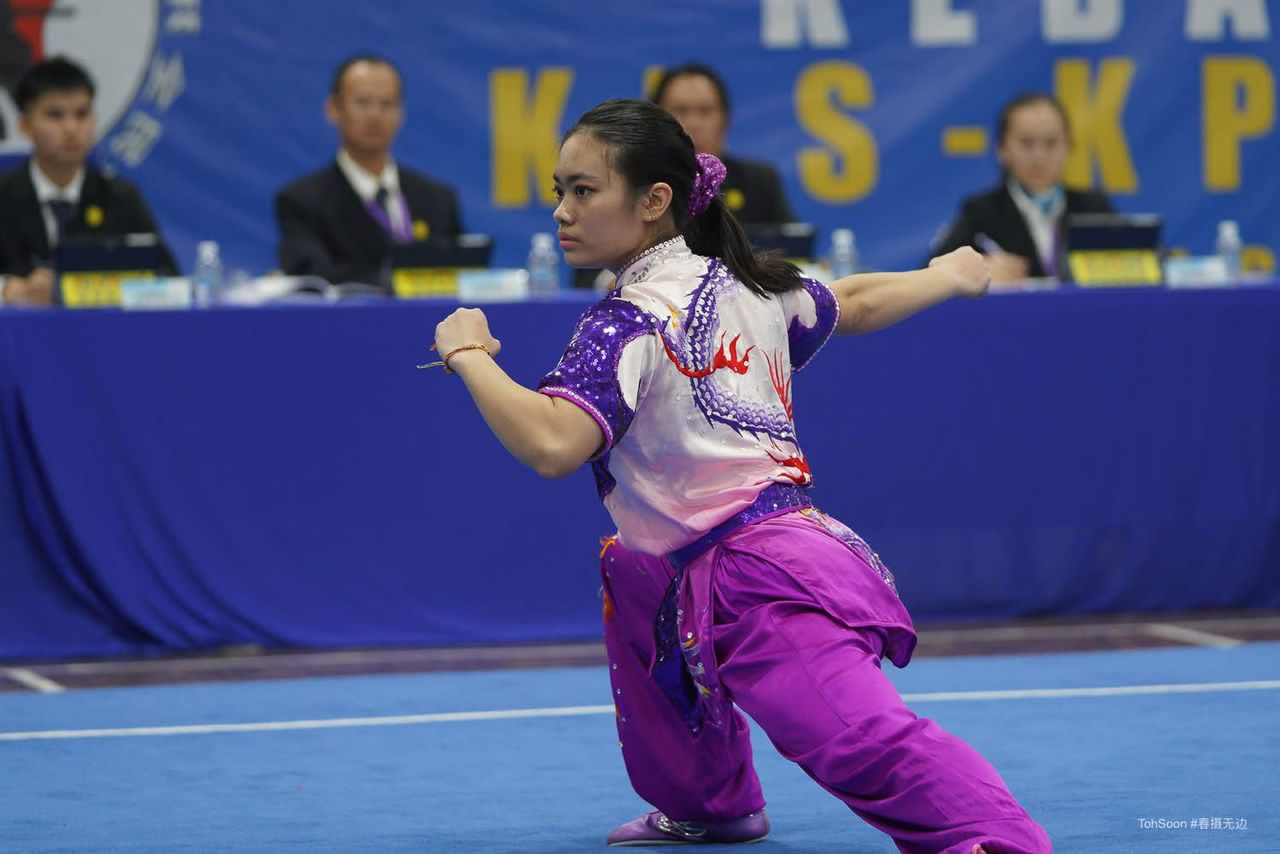
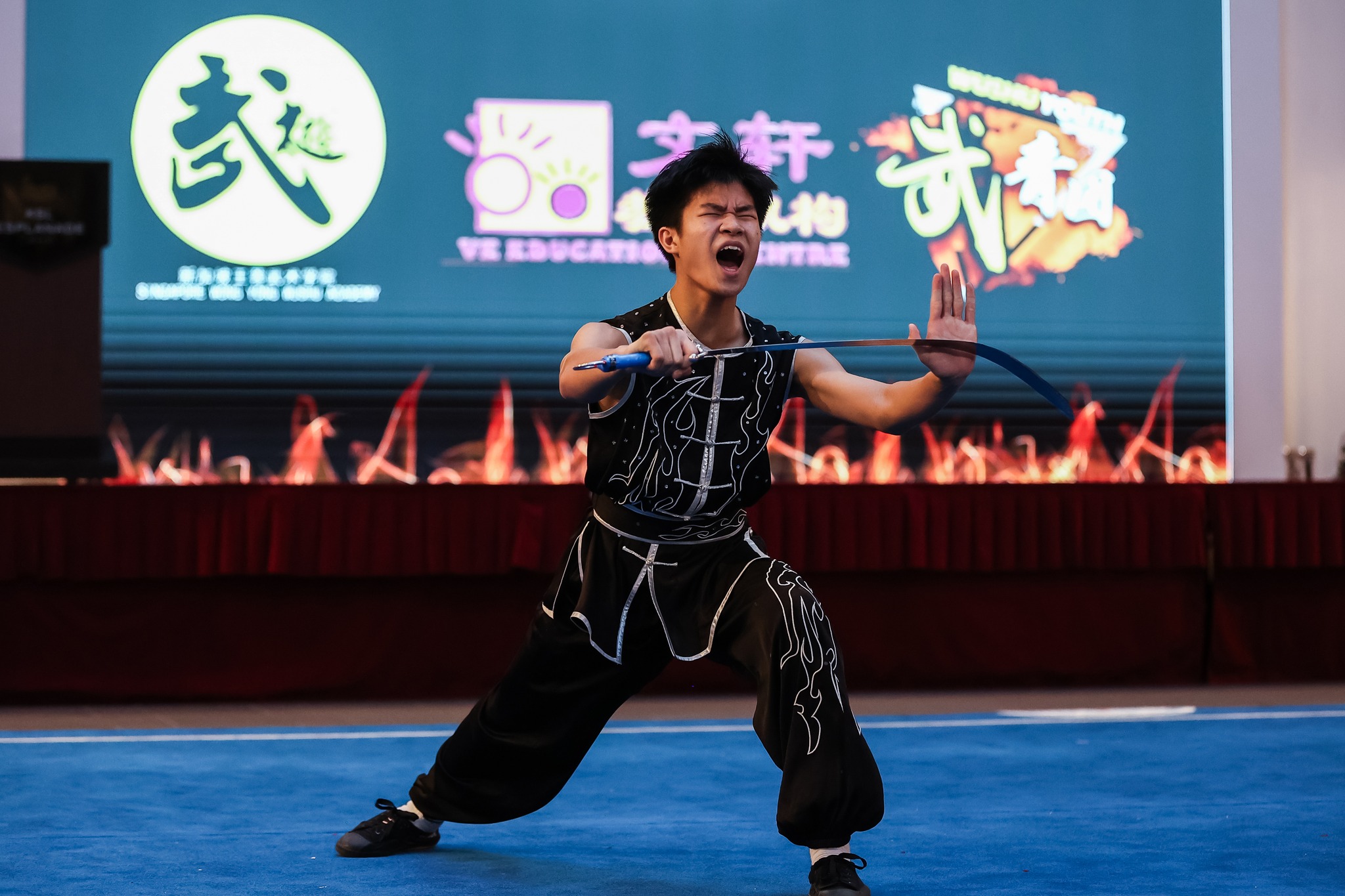
In contrast, Nanquan (Southern Fist) developed in Southern China, focusing on powerful, short-range engagements. It utilizes deep, stable stances, explosive hand techniques, and strong forearm blocks, a style well-suited for close-quarters fighting in dense environments. Nanquan is renowned for its grounded power and direct, aggressive approach.
Chen Jia Gou, also known as Chen Village, is renowned as the birthplace of Chen Style Taijiquan (Tai Chi), a traditional Chinese martial art. Located in Henan Province, this village has been home to the Chen family for over 600 years and is recognized for its significant contribution to martial arts.
STRONG


The Intergovernmental Committee for the Safeguarding of the Intangible Cultural Heritage (hereinafter referred to as the "Committee") held its 15th session online from December 14 to 19, 2020. During this session, the Committee reviewed 50 intangible cultural heritage projects submitted by 57 countries. On the evening of December 17, Beijing time, two projects were approved by the Committee: "Taijiquan," submitted solely by China, and "The Sending Off of the King Boat – Rituals and Related Practices Concerning Sustainable Connections Between People and the Ocean," jointly submitted by China and Malaysia (hereinafter referred to as "Sending Off of the King Boat"). With this approval, China now has a total of 42 intangible cultural heritage projects listed in the UNESCO Intangible Cultural Heritage of Humanity Representative List, ranking first in the world.
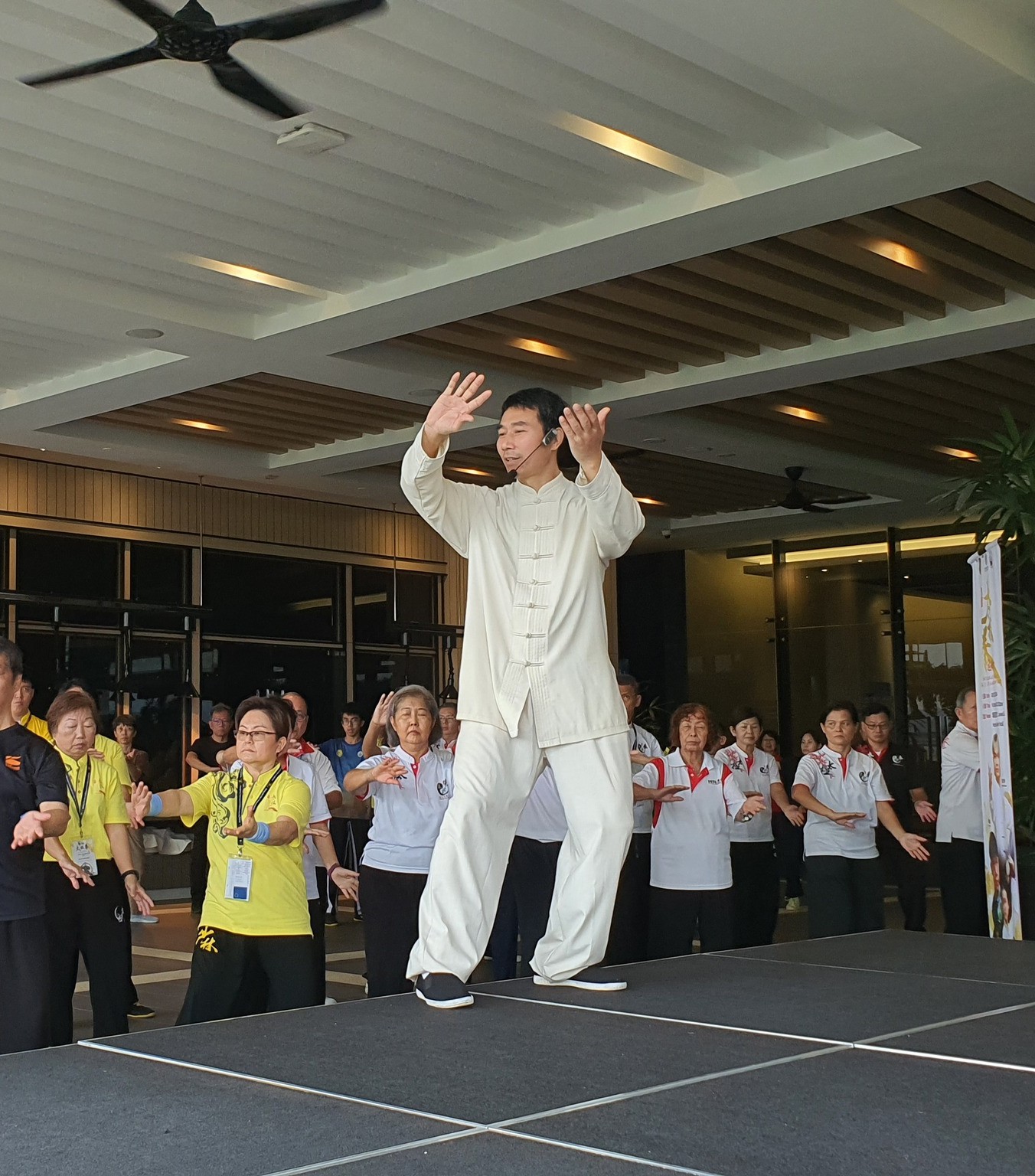
According to the Ministry of Culture and Tourism, Taijiquan has been passed down through generations since its formation in the mid-17th century, with practitioners spread across the country and a wide dissemination overseas. Taijiquan is inclusive, with no restrictions on gender, age, physique, profession, or ethnicity. Through practicing Taijiquan, individuals not only cultivate their character and enhance their health but also inherit the cultural genes of the Chinese nation. The phrase "Learning Martial Arts to Understand Principles" reflects how Taijiquan embodies traditional Chinese philosophical thoughts such as yin-yang cycles and the unity of heaven and humanity, enriching people's understanding of the universe, nature, and human physiological laws.
Furthermore, its fundamental requirements for softness, roundness, and uprightness promote values such as respect for teachers and traditions, humility in learning martial arts, and avoidance of arrogance. These concepts subtly nurture a peaceful, inclusive, and friendly disposition among practitioners. Taijiquan plays an important role in enhancing public health awareness, promoting physical and mental well-being, fostering harmonious coexistence among people, and strengthening social cohesion.
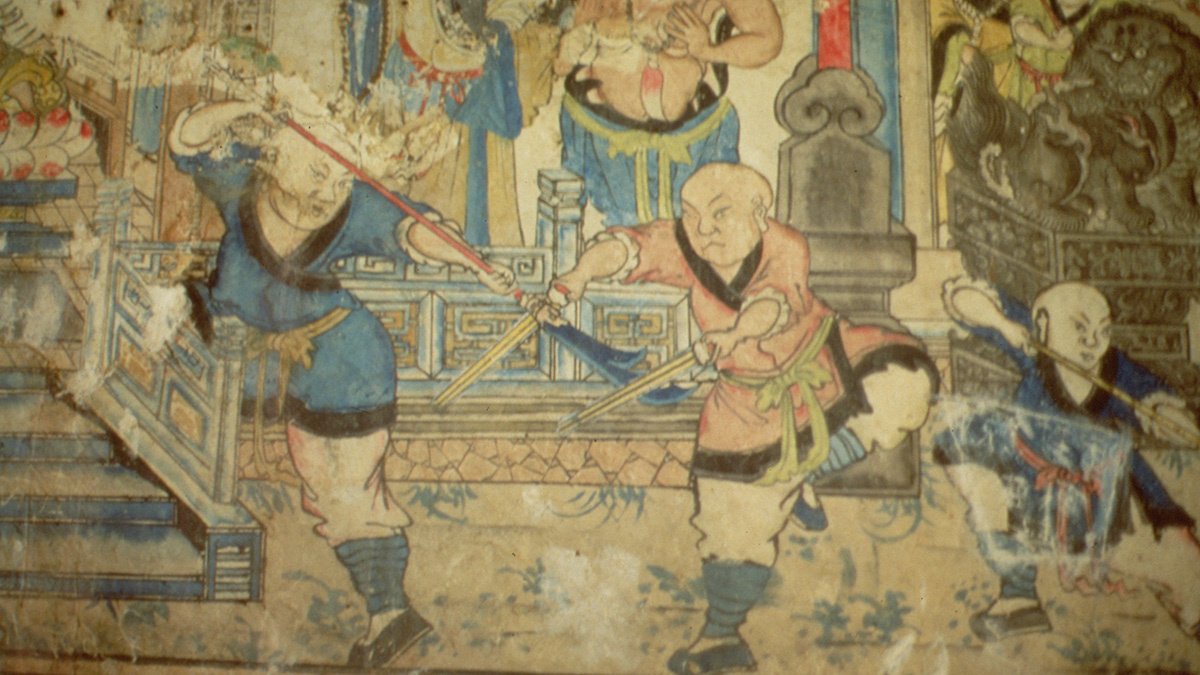
The origins of Wushu can be traced back to early humans during the Bronze Age, who developed combat techniques for survival against wild animals and other humans. This period laid the groundwork for both armed and unarmed combat methods.
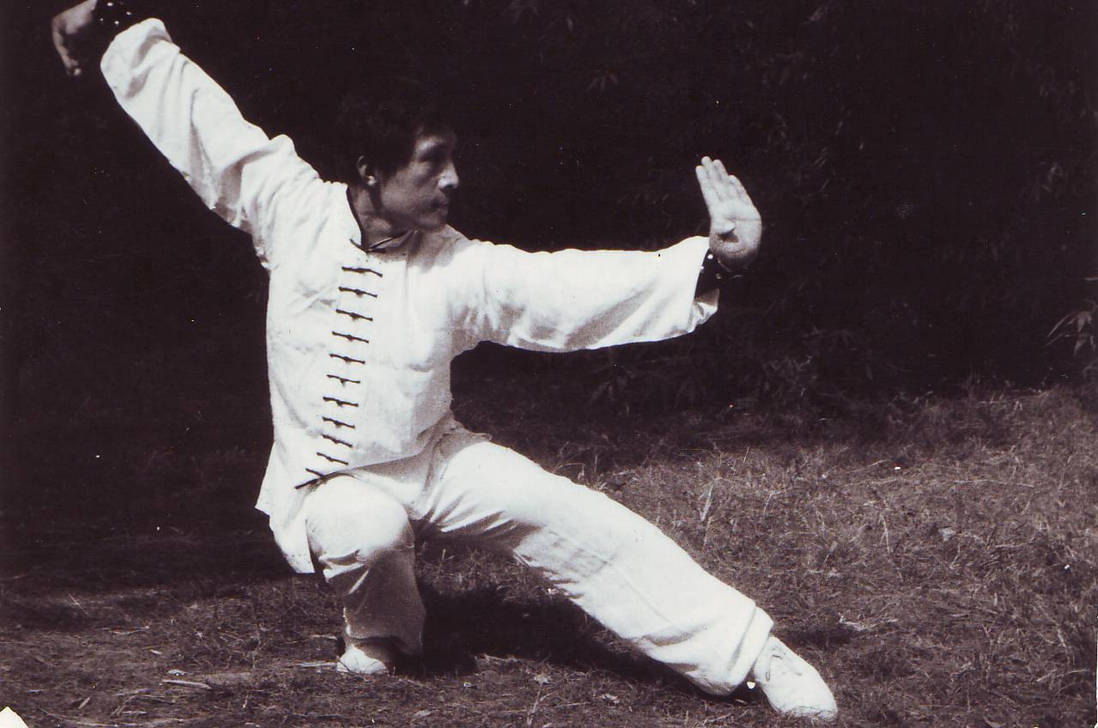
Wushu evolved with specialized armed and unarmed combat techniques, becoming popular among common people for self-defense and health improvement.
Warring States Period (481-221 BC)The practice of martial arts became more sophisticated, with various techniques emerging, including early forms of wrestling known as jiaodi.
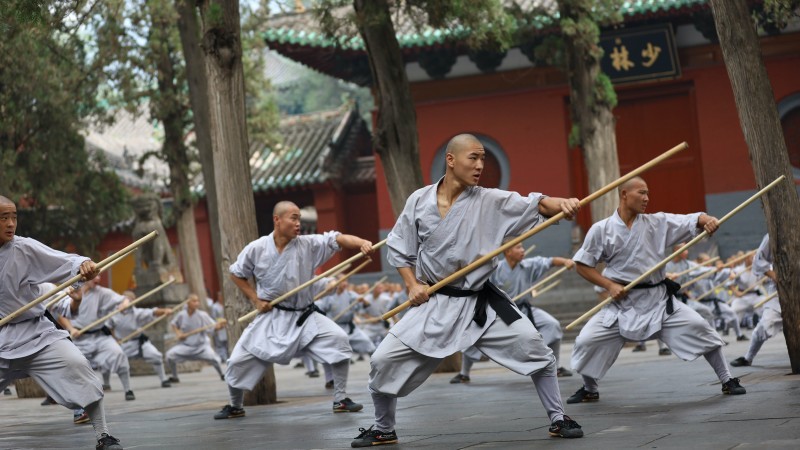
The Shaolin Temple was established on Song Shan Mountain, becoming a significant center for martial arts. Monks began practicing Wushu-type exercises, which later evolved into Shaolin Quan.
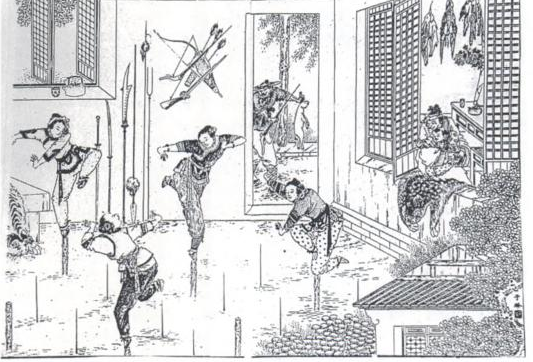
During the Qing Dynasty, the use of traditional "cold" weapons declined as firearms became more prevalent. Wushu transitioned to being practiced mainly by the common people, leading to the emergence of numerous styles such as Xingyi Quan, Bagua Zhang, and Taiji Quan.
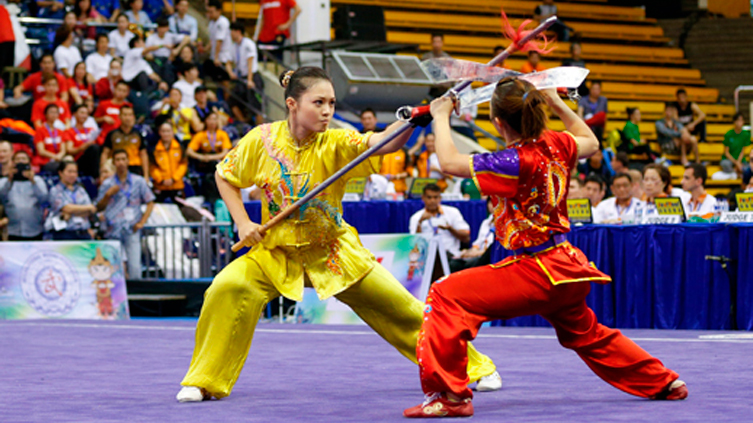
The first Chinese National Wushu Games were held in Shanghai, marking a significant step towards formalizing Wushu as a sport.
1928The Central Guoshu Institute was established in Nanjing to standardize various martial arts practices.
1936A Chinese Wushu delegation performed at the XI Olympic Games in Berlin, showcasing Wushu to an international audience.
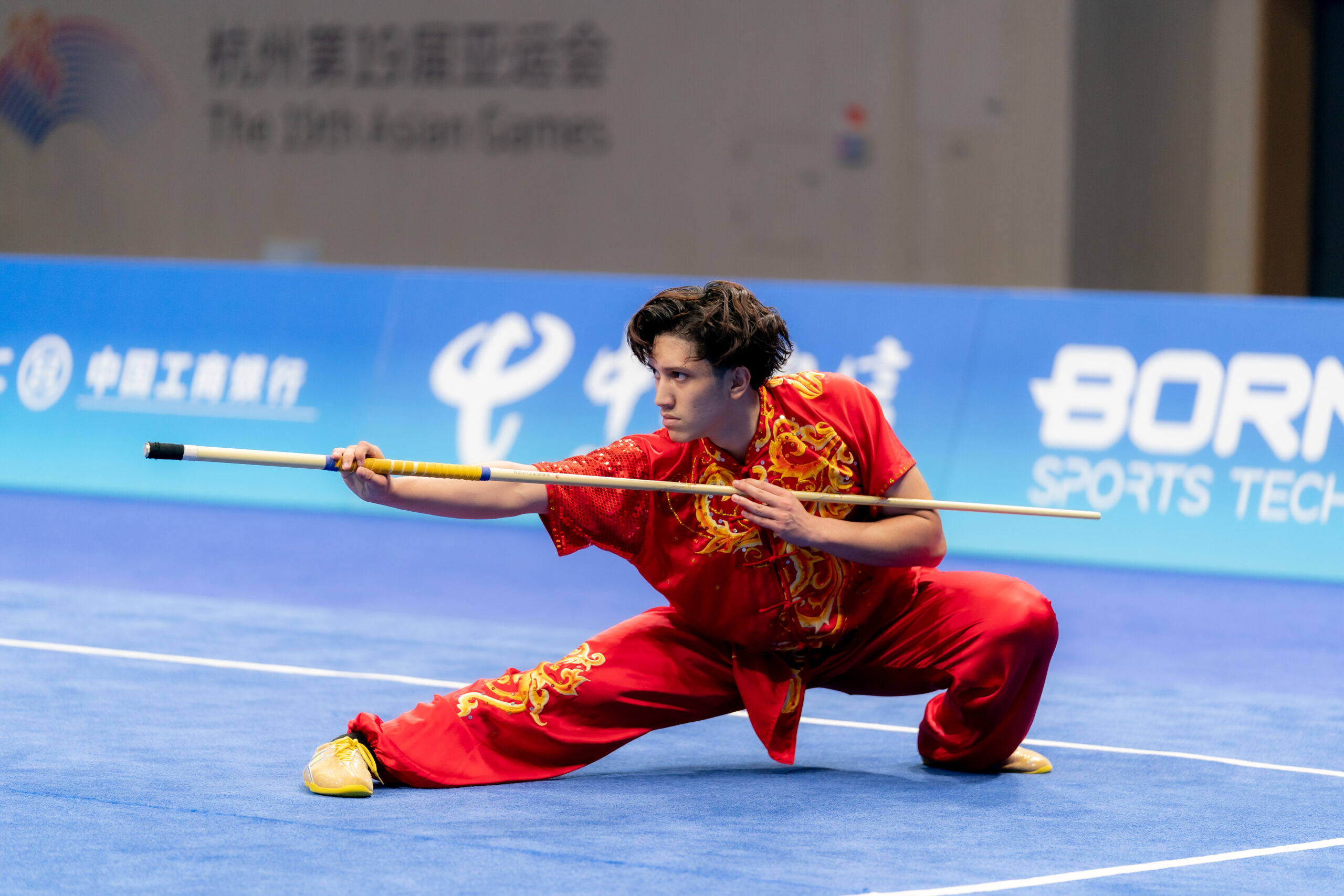
After the establishment of the People's Republic of China, efforts intensified to standardize martial arts practices. The Chinese Communist Party began promoting Wushu as part of its cultural and political agenda.
1958The Chinese government established a national organization for martial arts training, leading to the creation of standardized forms and teaching curricula.
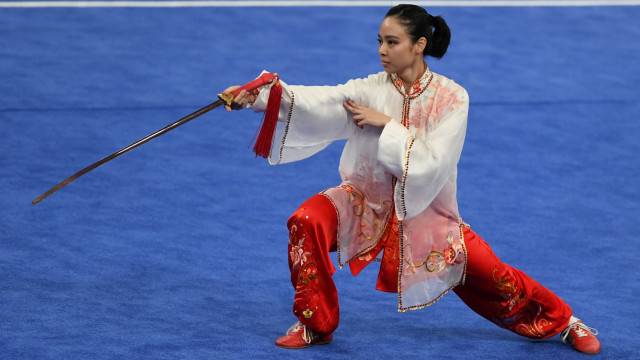
The first International Invitational Wushu Tournament was held in Xi'an, China, marking a significant milestone in promoting Wushu globally.
1990The International Wushu Federation (IWUF) was officially founded on October 3rd, facilitating international competitions and standardization of rules.
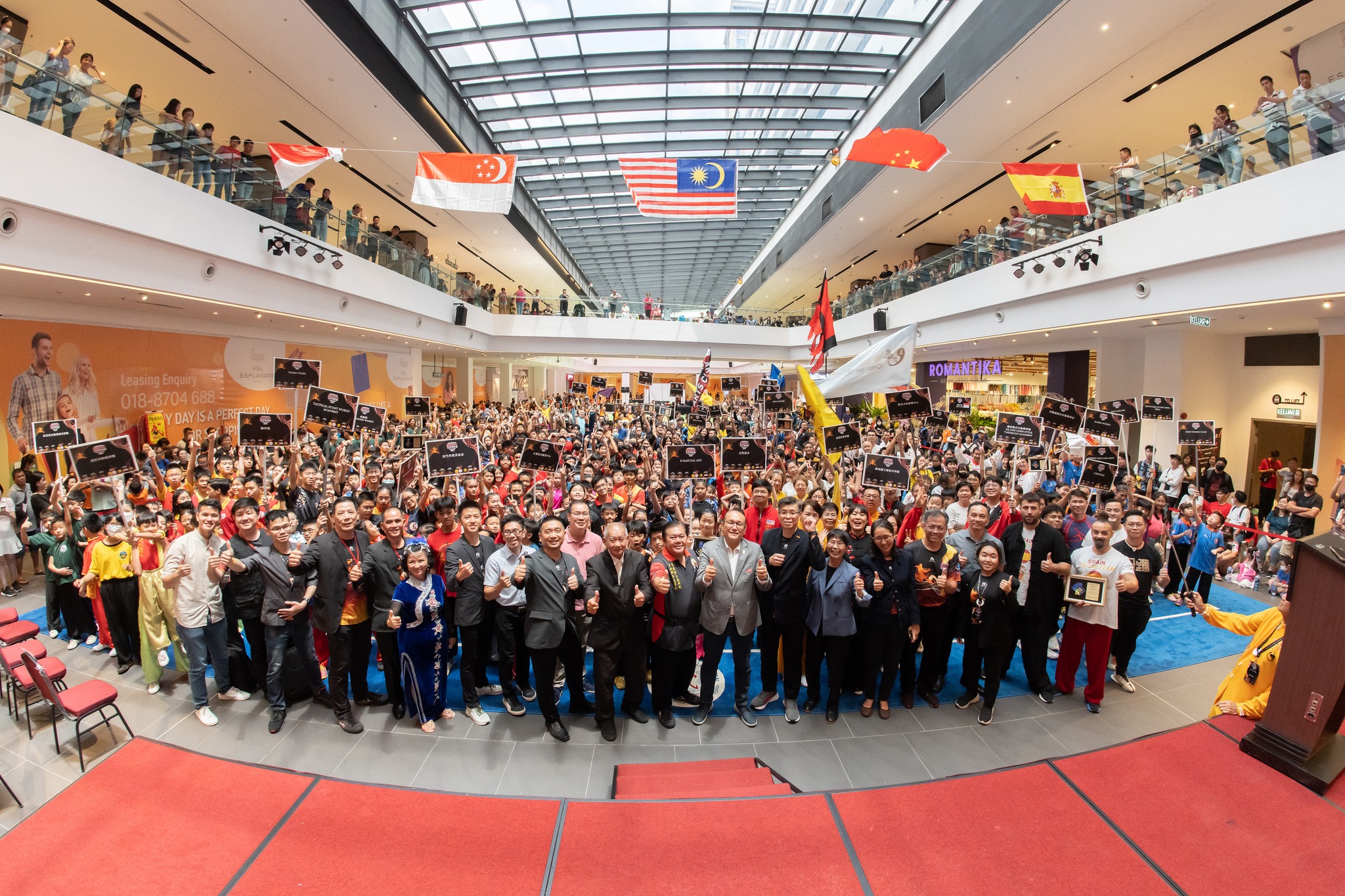
Wushu has become an official event in various multi-sport competitions such as the Asian Games and World Combat Games. It continues to evolve as both a traditional practice and a modern sport, gaining popularity worldwide.